Ignatius of Antioch
-
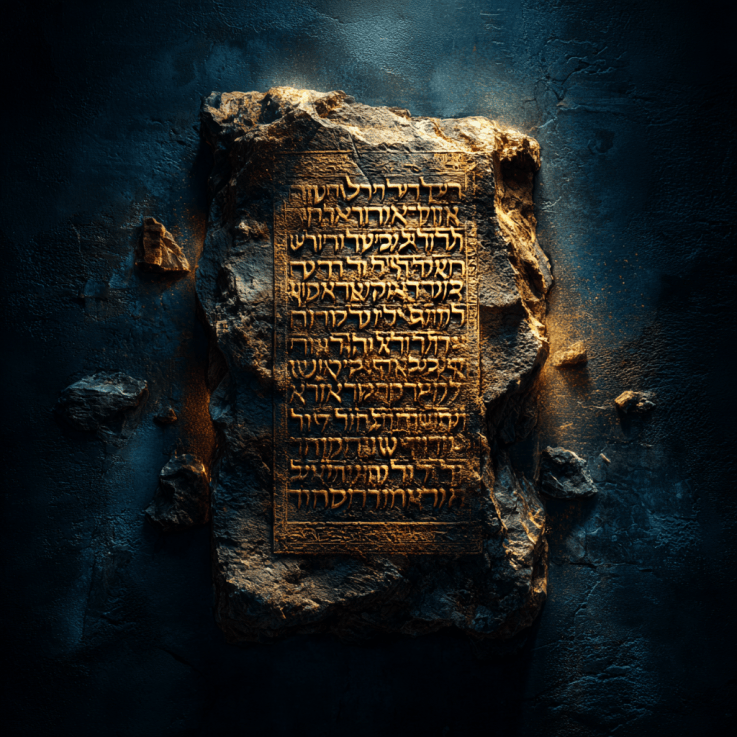
Writing about humility, Paul reaches for the highest thing he knows: Yahweh’s irrevocable oath from Isaiah 45 — “I am God, and there is no other” — and applies it directly to Jesus. Every knee. Every tongue. The divine name. This article examines what Paul is doing, answers three unitarian objections, and establishes from Scripture…
-

✚ On the textual transmission, the modalist reading, and the man writing in chains — a Catholic response concerning the post-apostolic witness. Article II · The Greg Stafford Response Series Ignatius of Antioch wrote in chains, on a forced march from his city to the beasts of the Colosseum, choosing — under conditions of ultimate…
-

A Catholic patristics response engaging modern subordinationist readings of St. Ignatius of Antioch — the archives passage of Philadelphians 8:2, the Word-from-silence of Magnesians 8:2, the reverence of the bishop, the modalism charge against Ephesians 3:2, and the question of apostolic continuity. Argued from cumulative force, with the strongest opposing readings acknowledged.
-
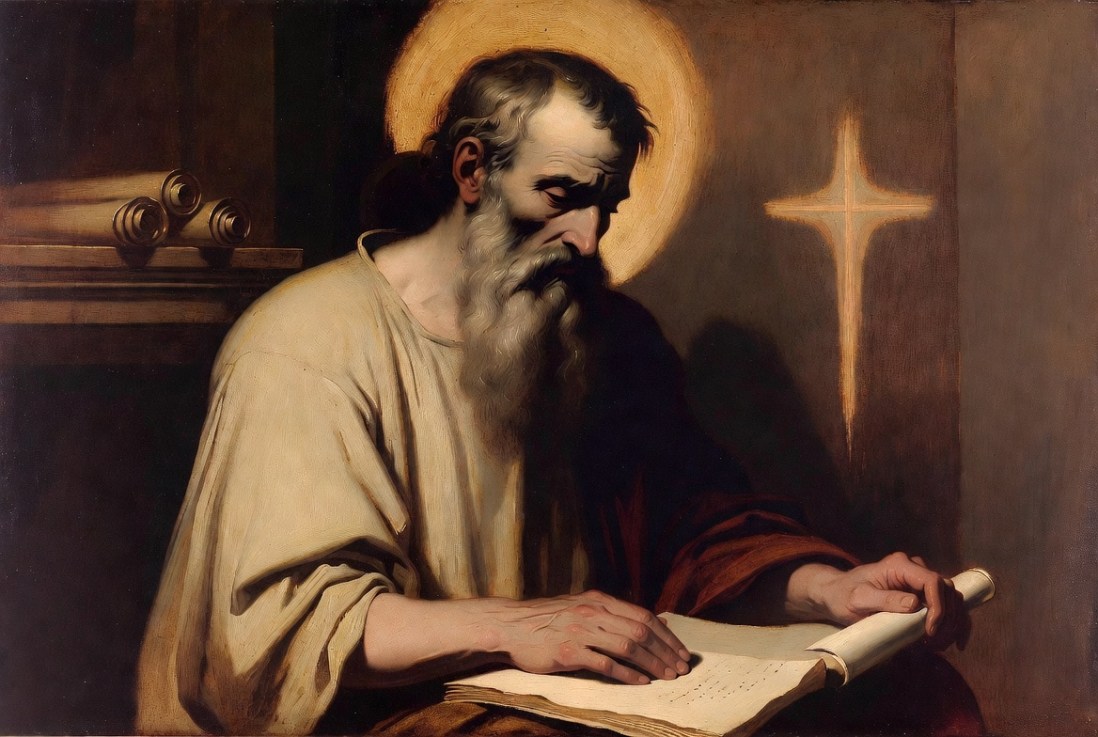
Patristics · Catholic Apologetics Lord Jesus Christ Reigns · 5 May 2026 In Brief In a single short paragraph of his Letter to the Philadelphians, Ignatius of Antioch left a sentence that contemporary apologists have read as proof that the early Church abandoned Scripture for episcopal authority. Read with the Greek in view, and against…
-

The claim that the Synoptic Gospels present a theologically simple Jesus — a great teacher, an exalted prophet, an agent of God rather than God himself — is one of the most persistent errors in biblical interpretation. This article dismantles it text by text, argument by argument, across Psalm 110, Matthew, Mark, and Luke, and…
You must be logged in to post a comment.