Philippians 2
-

Jehovah’s Witnesses are right to love the divine Name — more right than they may know. A look at Philippians 2, Isaiah’s refusal to give his glory to another, and the One through whom all things were made.
-

Paul applies YHWH’s self-sworn oath from Isaiah 45 — the oath sworn by the one beside whom there is no other — directly to Jesus in Philippians 2:10-11. This article argues that the choice is not a loose borrowing of Isaianic language but an identification of Jesus within the divine identity of YHWH. Six sections…
-
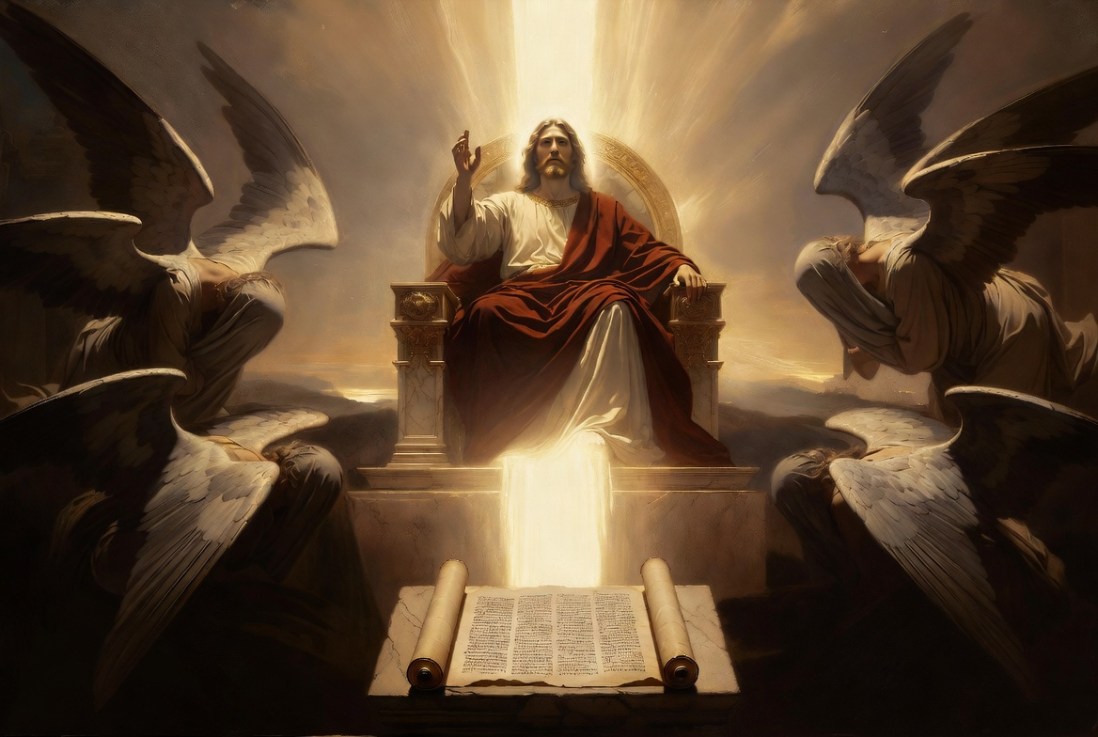
The claim that the Synoptic Gospels present a theologically simple Jesus — a great teacher, an exalted prophet, an agent of God rather than God himself — is one of the most persistent errors in biblical interpretation. This article dismantles it text by text, argument by argument, across Psalm 110, Matthew, Mark, and Luke, and…
-

The inspired Scriptures do not present Jesus Christ merely as a Davidic monarch, a plenipotentiary of God, or an exalted creature. They present him as God Almighty incarnate — the eternal King who was, is, and is to come. This article examines the Hebrew and Greek evidence from the Old and New Testaments, traces the…
You must be logged in to post a comment.