hypostatic union
-
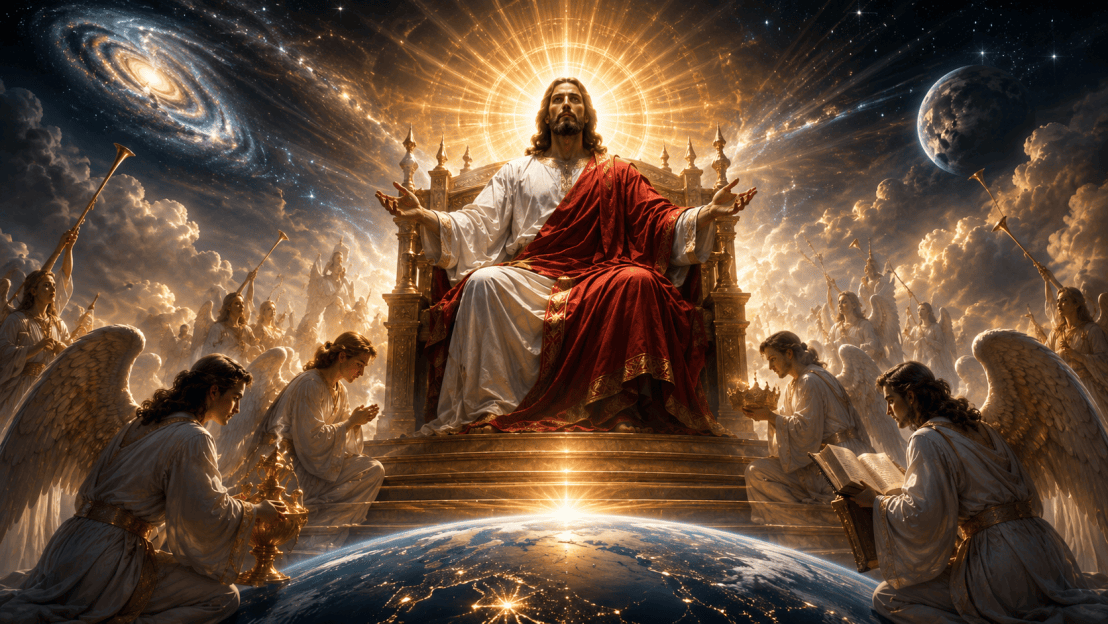
Hebrews 2:16 has long been debated as either “he did not take on angelic nature” or “he did not help angels.” This article argues the debate doesn’t need to be settled: Hebrews 1, 2, and 7, read together, build a cumulative case that the eternal Son was never a created angel and — against current…
-
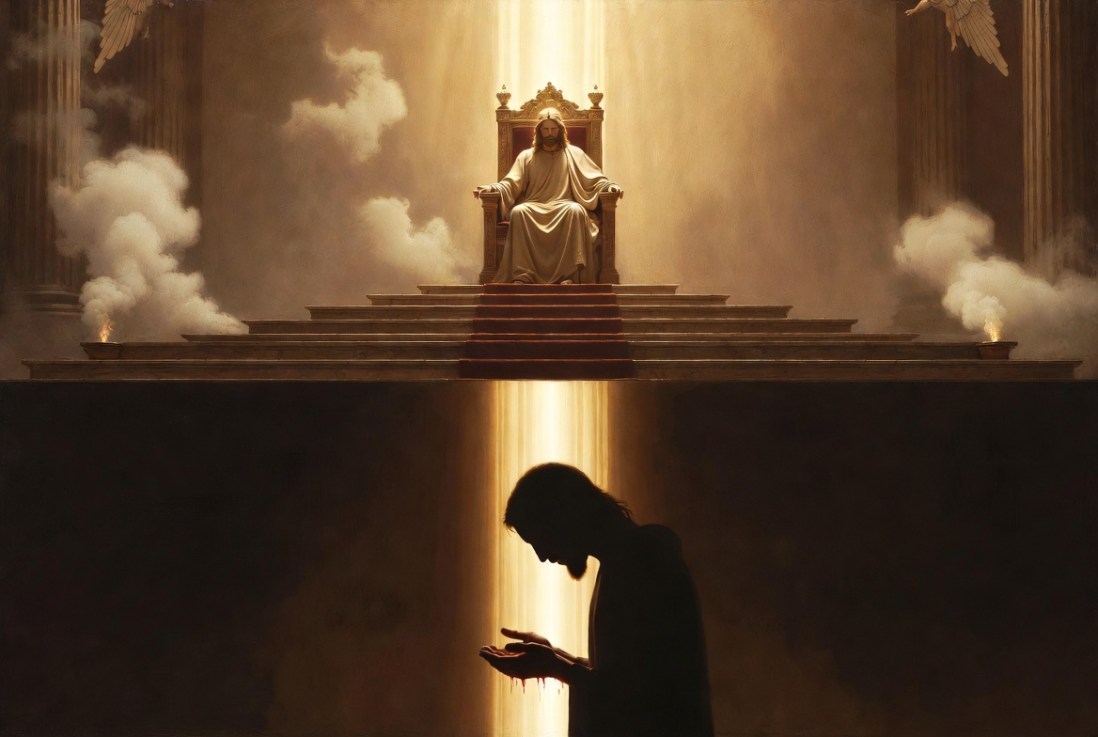
John 12:41 makes two claims that together carry the Trinitarian argument: that Isaiah saw Jesus’s glory, and that the glory John attributes to Jesus elsewhere in his Gospel is pre-temporal Shekinah possessed παρὰ σοί before creation. Even granting the unitarian referent of Isaiah 52–53, the Servant’s glorification read through John 17:5 is restoration of co-possessed…
-
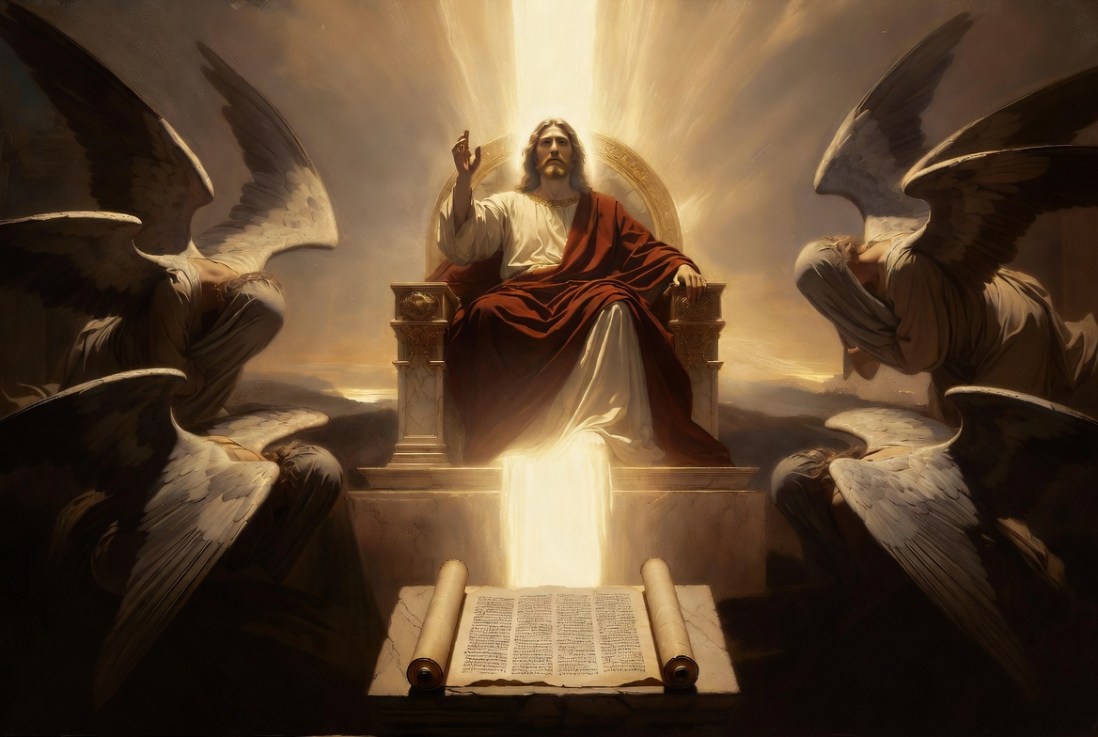
The claim that the Synoptic Gospels present a theologically simple Jesus — a great teacher, an exalted prophet, an agent of God rather than God himself — is one of the most persistent errors in biblical interpretation. This article dismantles it text by text, argument by argument, across Psalm 110, Matthew, Mark, and Luke, and…
-

The claim that the Synoptic Gospels present a theologically shallow Jesus — a prophet, a moral teacher, an exalted but merely human Messiah — is one of the most persistent errors in the history of biblical interpretation. This article dismantles that claim text by text, from the Virgin Birth to the Great Commission, showing that…
-
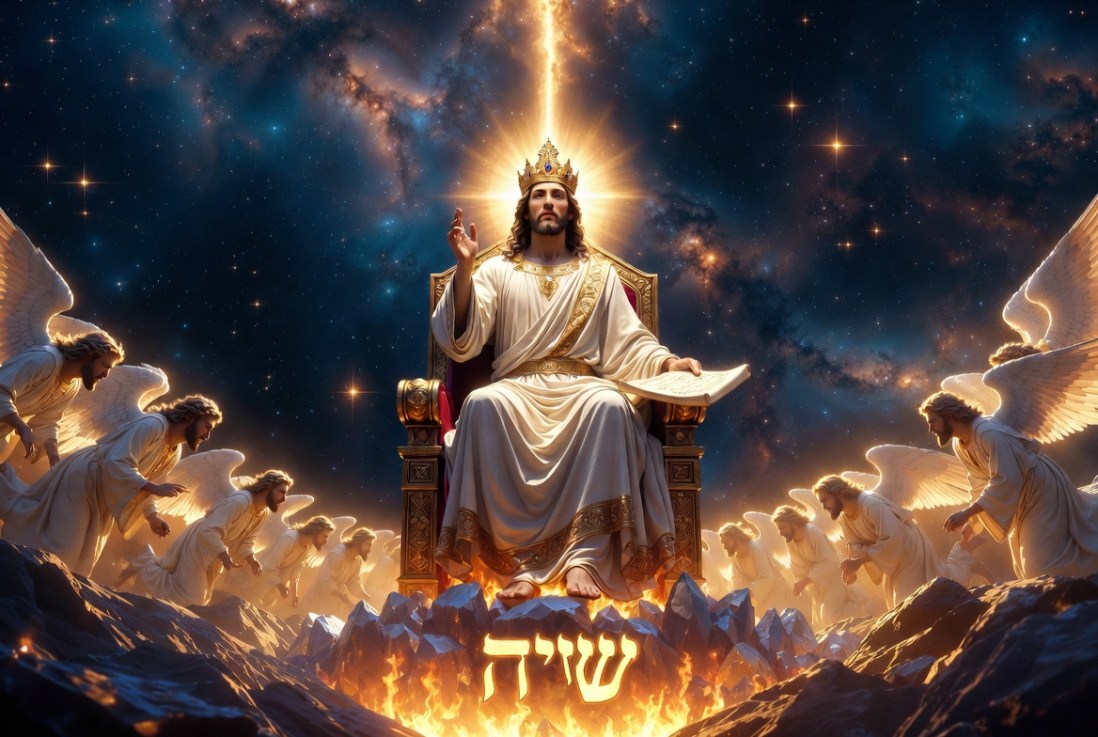
The inspired Scriptures do not present Jesus Christ merely as a Davidic monarch, a plenipotentiary of God, or an exalted creature. They present him as God Almighty incarnate — the eternal King who was, is, and is to come. This article examines the Hebrew and Greek evidence from the Old and New Testaments, traces the…
You must be logged in to post a comment.